Why Tornadoes Keep Hitting Illinois And How To Explain It To Kids
Last week was a rough time to live in Northern Illinois and Southern Wisconsin, filled with severe weather alerts, tornado sirens, and flooding.
It was also a week filled with kids asking big questions that aren’t always easy to answer. Luckily, you don’t have to be a meteorologist to explain tornadoes in a way that makes sense (and maybe even eases some nerves).

Tornado Season in Illinois
As a lifelong Illinois resident, I should be used to tornado warnings and not freak out every time a new one is issued, but I'm not. I had a very scary tornado experience at my family's cabin when I was young, so I've had a deep respect and fear of tornados ever since.
READ MORE: T-Shirt Fundraiser for Lena, IL Tornado Victims
Now that I'm a mom, I try to keep my cool in front of my kids whenever severe weather hits, but enduring multiple days of tornado warnings last week nearly did me in...so did all the questions my nervous kids were asking.

Answers to Common Tornado Questions
Living in Illinois means dealing with severe storms more than we'd like, but I believe knowledge really does help take away some of the fear.
While my family was sheltering in our basement multiple times last week my kids asked a lot of questions like:
- “How do tornadoes start?”
- “How do they know a tornado is coming?”
- “What does ‘rain-wrapped’ mean?”
- “How do tornadoes stop?”
- and the big one: “Why do tornadoes always happen here?”
Since mom's knowledge of tornados basically begins and ends with the movie Twister, I jumped on Google to find some easier to understand answers.
How Do Tornadoes Form?
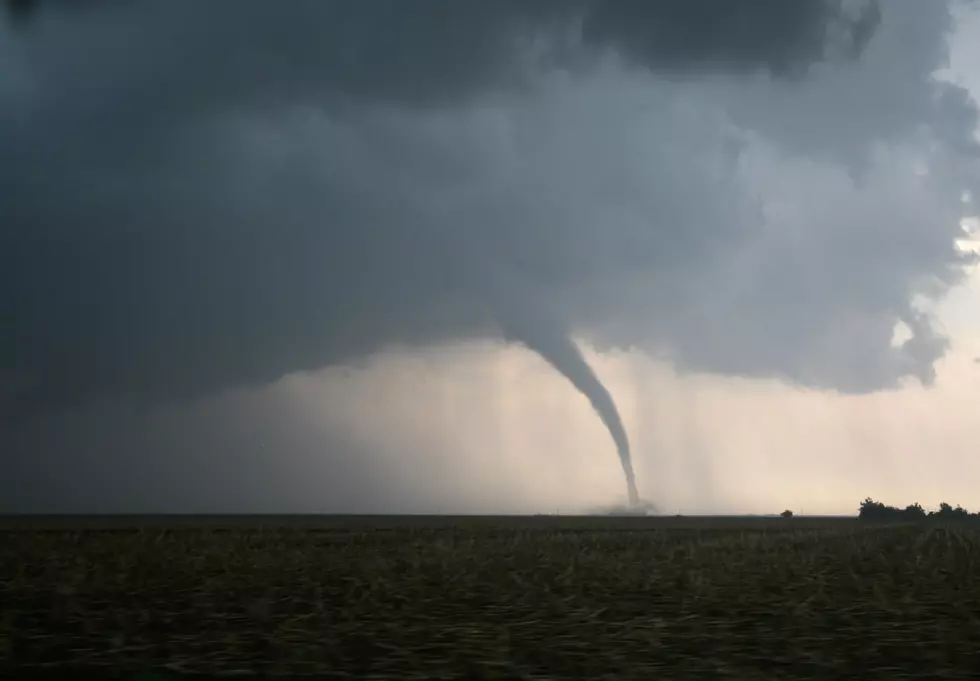
According to NOAA (National Environmental Satellite, Data, and Information Service), tornadoes form inside thunderclouds when warm, humid air rises and cool air falls. "These conditions can cause spinning air currents inside the cloud. Although the spinning currents start out horizontal, they can turn vertical and drop down from the cloud--becoming a tornado."
Unfortunately, Northern Illinois sits in a part of the country where warm, moist air from the Gulf of Mexico often collides with cooler, drier air from Canada, and that is why the Midwest sees a lot of tornadic activity throughout the spring and summer.

How Do Tornadoes Stop?
The truth is, scientists don't fully know what makes tornadoes stop, but they do know they start to fade when a storm can’t feed them enough warm, moist air.
Scientists and meteorologists also can't predict exactly where a tornado will touch down, but they can use radar and satellites to give warnings 10-15 minutes ahead of time.
Honestly, when it comes to tornadoes, research is ongoing and the most important things we can remind our kids are: we have warnings, we have safe places, most tornadoes are short-lived, and all warnings need to be taken seriously...just in case.
You can also show them this video, just fast forward to the 10:20 mark:
KEEP READING: What to do after a tornado strikes
KEEP READING: Get answers to 51 of the most frequently asked weather questions...
More From Rockford's New Country Q98.5