

Illinois’ Coyote Mating Season: 10 Things To Know About Them
Last week, I used this space to tell you that if it hasn't happened already, you're going to be seeing more coyotes than you normally do over the next month or so because it's coyote mating season here in Northern Illinois.
We've already seen several reports about coyote encounters by people walking their dogs, multiple sightings of coyotes crossing busy streets, and plenty of howling, of course.
Now that you're hip to coyote romance season, let's take a look at ten things that you maybe didn't know about Illinois' large (and about to get larger) coyote population.
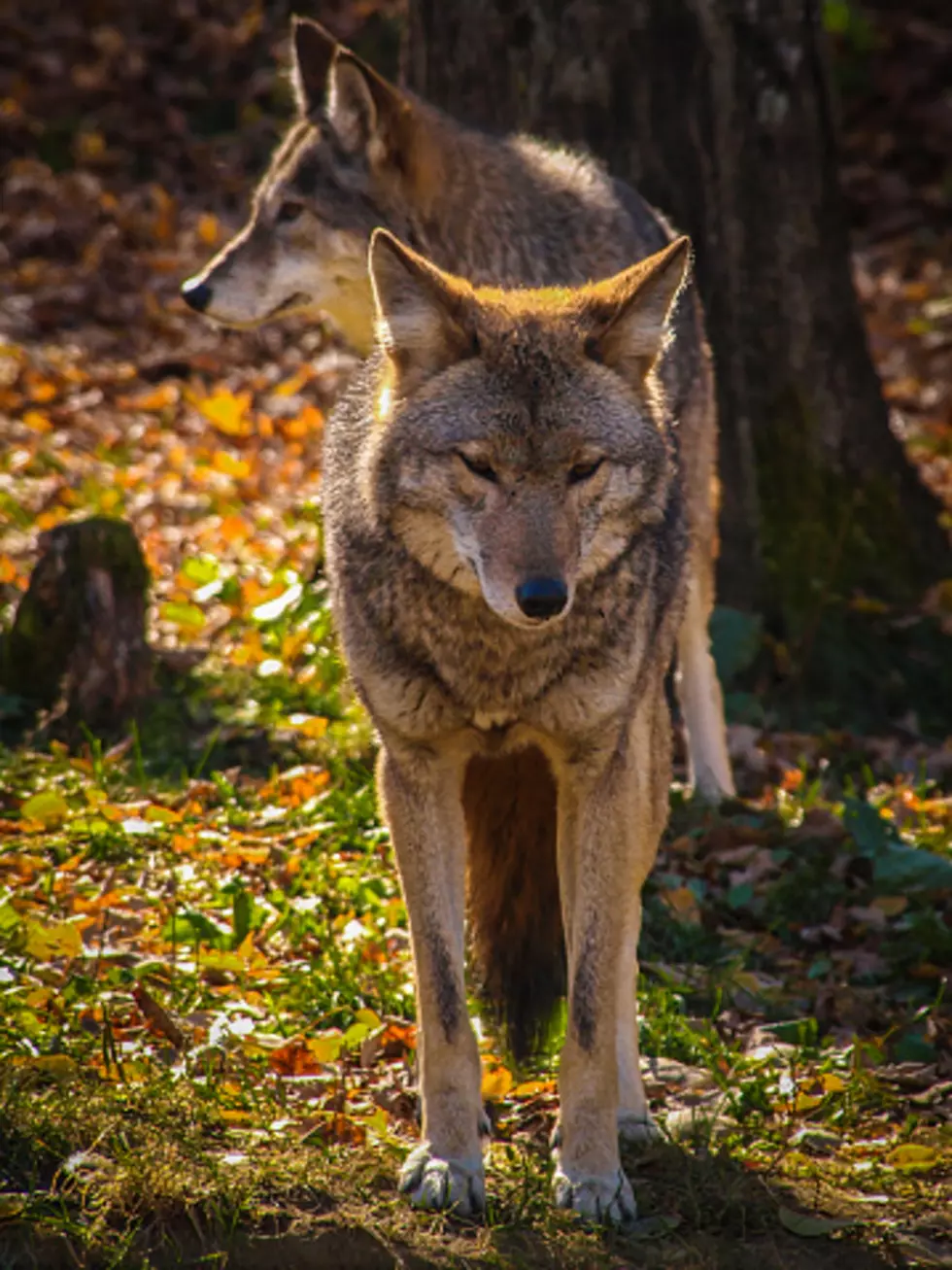
Late Winter Is Peak Mating Season, And Northern Illinois' Coyotes Are Louder And Much More Visible
So, let's take a look at the ten things you may not know, including what to do if you encounter one or more of them:
- Mating season runs January through March. This is when coyotes pair up and establish territory.
- They usually mate for life. Bonded pairs often stay together for years.
- You’ll hear more howling right now. They use vocalizations to communicate and defend territory.
- Daytime sightings are normal. Seeing a coyote during the day doesn’t automatically mean it’s sick or aggressive.
- They’ve adapted to city life. Coyotes thrive in urban areas, including documented populations in Chicago, throughout the suburbs, and Rockford
- They actually help control rodents. Mice and rats make up a large portion of their diet.
- Attacks on humans are extremely rare. Coyotes are naturally cautious around people.
- Small pets can be vulnerable. Especially during mating and pup season, coyotes may be more territorial. Keep cats indoors and supervise small dogs.
- Pups are typically born in April. That’s when activity can increase again as parents protect their den sites.
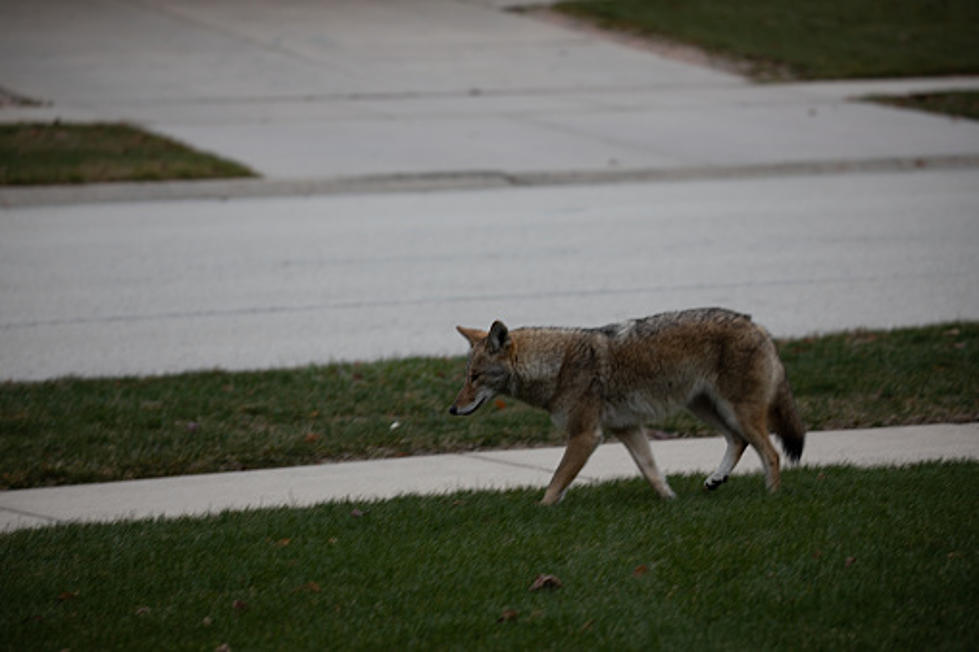
So, You're Out For A Walk, And You Meet Up With One Or More Coyotes...What Then?
Your first thought might be that it's a dog, not a coyote. They do look like mid-sized to large dogs, but the ears and tail are pretty good indicators that they're they're not something you can walk into a pet store with to find a collar and treats.
Now, back to our original premise of what to do if you meet up:
Don’t run. Stand tall, make yourself look bigger, and maintain eye contact. Wave your arms, clap, or speak loudly to assert yourself. This is called “hazing,” and it reinforces their natural fear of humans. Most coyotes will retreat quickly once they realize you’re not prey, and you're closer to being a predator.
The bottom line is that coyotes have lived in Illinois for generations. Mating season just makes them louder and a bit more noticeable. In most cases, they want nothing to do with us.
Small children are a different matter:
WATCH OUT: These are the deadliest animals in the world
More From Rockford's New Country Q98.5


